


Spice Talks Crossover Hits, “Volcano” and the Digital Era: “We Have Our Own Legends Here”
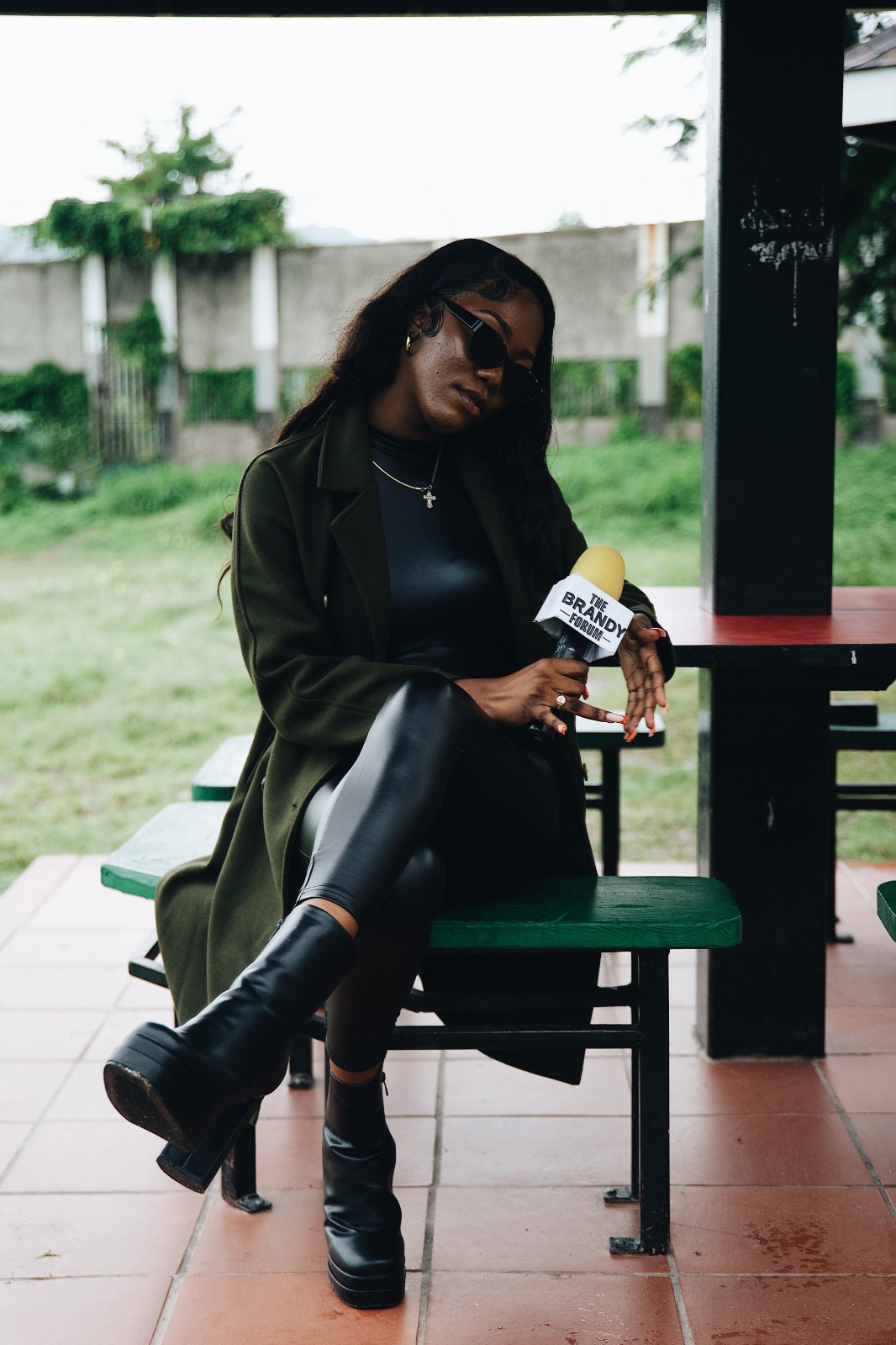
Exclusive: Queen of Dancehall Spice reflects on “Go Down Deh,” her chemistry with Vybz Kartel, pursuing crossover success within the genre, the creative process behind “Volcano,” her high-energy approach to live performances, and evolving from CD street promotion to the digital era

Spice carries her legacy with every step
As her latest single “Volcano” continues to dominate the charts, surpassing 1 million views on its official music video, Queen of Dancehall Spice is turning up the heat this summer.
In an exclusive interview with Kaboom Magazine, Spice opened up about the inspiration behind the song and its music video. “The inspiration was the weather for the summer. I wanted to release a summer single and the first words that came to mind was ‘hot, hot’,” she shared.
As a veteran with more than 20 years of experience in the music industry, Spice has successfully navigated multiple eras of the business. The conversation also explored the evolution of music promotion and how dramatically the industry has changed since she first entered the scene. “When I started out there was no Instagram. There was no TikTok,” Spice recalled. “I used to print CDs and go around and make sure every taxi man, every bus driver had the song.”

Spice has adapted through every era of music promotion
Long before social media campaigns and streaming platforms became the norm, promotion meant physically putting music into people’s hands. Spice said she built entire campaigns around distributing CDs across Jamaica. “I used to go around the parishes in Jamaica handing them out and making sure the song was promoted physically,” she explained.
Her efforts extended beyond Jamaica’s borders as well. “Even when I was in Europe doing tours, I used to bring CDs as well so that other parts of the world could hear my music.”
Today, much of that work has shifted online, but Spice says adapting has been essential to her longevity. “Everybody is into content creating and social media now, so I’ve evolved as well and do more digital promotion.”
The conversation also turned to her global hit “Go Down Deh,” alongside dancehall icons Sean Paul and Shaggy, which later earned platinum certification. Spice recently nodded to that milestone while appearing on ABC News in a platinum-themed outfit, tying her styling to the song’s achievement. Looking back, she attributed the record’s success to how unexpected the collaboration was.
“It was so surprising because you’ve never seen Shaggy and Sean Paul on a song together,” she said, while also pointing to a wider lesson from the collaboration, noting that Jamaican artistes often look outside the genre when chasing crossover success. “Most of the times when us as Jamaican artistes want a crossover record, we don’t look within our genre. We’re always trying to get an American artiste, without realizing that we have our own legends here.”
Her major dancehall collaborations extend to her creative partnership with Vybz Kartel, a chemistry she says existed long before either artiste earned their respective titles.
“Most of the times when us as Jamaican artistes want a crossover record, we don’t look within our genre. We’re always trying to get an American artiste, without realizing that we have our own legends here.”
“The connection with me and Kartel is not something we just put on. It’s something that comes natural,” she explained. “We’ve known each other before being given the titles ‘king and queen.’”
Having grown together within the industry, Spice believes that history continues to resonate with fans whenever they perform together. “I don’t know what it is, but there’s something when it comes to me and Kartel’s chemistry that’s just undeniable and unmatched.”
That same energy carries over into how she approaches her performances. Spice says she puts significant effort into rehearsals and stage execution, often building concepts around individual songs to ensure audiences receive more than just a performance.

Spice crowns Vybz Kartel as the King of Dancehall, "something that comes natural" (Photo Jamar Cleary)
“I believe in a good execution when it comes down to stage performances,” she said. “When people pay their money to come out and see us at a stage show, they should get their money’s worth.”
Whether it means incorporating theatrical elements, elaborate staging, or detailed choreography, Spice says she is deeply involved in the creative process. “People expect Spice to bring some spice,” she added.
From physically distributing CDs across Jamaica and overseas to navigating the social media era, Spice’s ability to evolve has remained one of the defining traits of her career. That relentless work ethic helped shape her rise and contributed to the success of records like “So Mi Like It,” one of the biggest songs in her catalogue.
“When people pay their money to come out and see us at a stage show, they should get their money’s worth. People expect Spice to bring some spice.”
Looking ahead, Spice spoke about how she plans to help push dancehall forward in the next chapter of her career, focusing on taking the genre to parts of the world that have never fully experienced it. She noted that while some questioned her decision to join Love & Hip Hop, the platform exposed her to audiences who may not have otherwise discovered her music. “There was still an audience out there who didn’t know who I was at the time,” she said.
While acknowledging dancehall’s influence across global music, Spice believes there is still significant work to be done. “It’s not just about being hot in Jamaica,” she said. “Bob Marley is still sitting at the top of the iTunes charts, which means we still have a lot more work to do.”
As “Volcano” continues its ascent, Spice remains focused on doing exactly that: evolving with each era while continuing to carry dancehall to new audiences around the world.


Comments