


Supa Dups Praises Shenseea, Talks Buju's Productions and Dancehall’s New Era
Exclusive: The veteran Jamaican producer reflects on working with Buju Banton, calls Shenseea “the biggest standout star of this era,” praises dancehall’s new direction and reveals his renewed passion for DJing

Acclaimed music producer Supa "Dwayne Chin-Quee" Dups
Black Chiney producer, songwriter and A&R executive Supa Dups has built one of the most impressive résumés in modern music, collaborating with global superstars including Eminem, Rihanna, Bruno Mars, Drake, Nicki Minaj, Mary J. Blige and John Legend, among many others.
With a career spanning more than two decades, Supa Dups has consistently infused reggae and dub influences into his productions while maintaining strong ties to Jamaica’s music scene. His extensive catalogue includes work with some of the island’s biggest names, including Sean Paul, Vybz Kartel, Beenie Man, Spice, Popcaan and Shenseea.
In a recent interview with Kaboom Magazine, Supa Dups opened up about his journey from DJing to becoming an internationally respected producer, collaborating with Buju Banton on the reggae icon’s latest album, and what continues to fuel his creativity after more than two decades in music.
The son of a Chinese-Jamaican father and a mother of Afro-Jamaican descent, Supa Dups embraces the heritage that has remained deeply rooted in both his identity and his music.
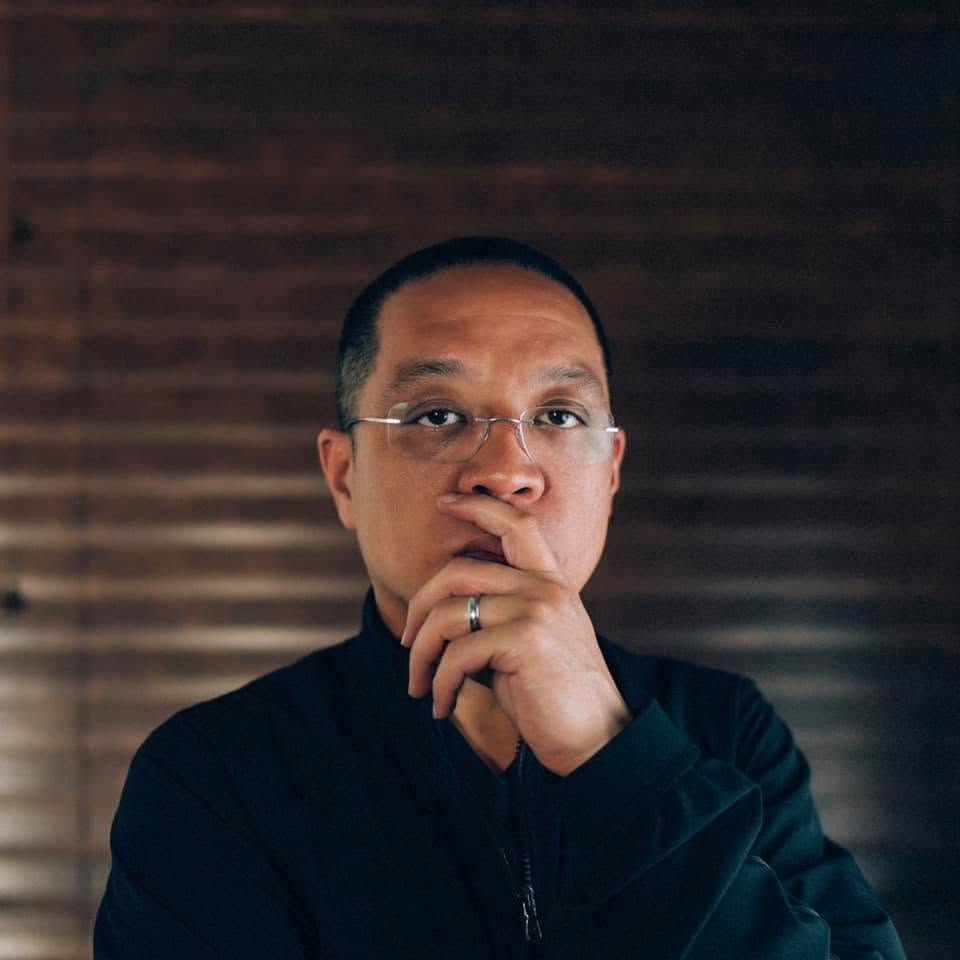
“The recognition and great artists wanting to work with you are byproducts of doing good work.”
“I’m 100% Jamaican. Representing my culture has always been part of who I am,” he declared. “Reggae and dancehall have influenced music all over the world. You can hear their fingerprints in dubstep, UK garage, jungle, reggaeton, Afrobeats and even rap music. Jamaican music has had a much bigger impact on global music than most people realize.”
Having worked closely with Buju Banton over the years, Supa Dups once again played a key role in the reggae icon’s latest album, Too Too Bad. He produced five songs on the project while also helping to arrange and mix another track.
Among the album’s standout songs is “Butterflies,” a track based on the classic Real Rock riddim but recreated from the ground up by Supa Dups. “The idea for ‘Butterflies’ came about when Buju and I pulled up the Headlamp version of the Real Rock riddim, produced by Junjo Lawes. Buju recorded the first version of the song over it, and then I recreated the riddim from scratch,” he explained. “A lot of people think it’s a sample, but it isn’t.”
“Buju recorded the first version of the song over it, and then I recreated the riddim from scratch. A lot of people think it’s a sample, but it isn’t.”
But working with high-calibre reggae and dancehall acts like Buju Banton represents only one part of Supa Dups’ extensive production catalogue. Whether collaborating with Jamaican icons or some of the biggest names in global music, he says his formula and approach in the studio remain the same.
“My approach never really changes. I just try to make the best music possible,” he explained. “At the end of the day, artists at that level are human beings just like you and me. A lot of them want someone who’s going to be honest with them. If something is great, I’ll tell them it’s great. If I think something can be better, I’ll say that too. Being honest is part of making the best record possible.”
As a Jamaican deeply connected to the culture, Supa Dups also keeps a close eye on the new generation of artistes carrying the music forward. Among those who have impressed him most is Shenseea, whom he has worked with since serving as an executive producer following her signing with Columbia Records and Since ’93. Their work together continues today, with Supa Dups recently producing her single “Brucksweat.”
“To me, Shenseea is the biggest standout star of this era. No disrespect to anyone else, that’s just my opinion. She’s a star,” he said. “Her work ethic is second to none. She’s always working, always thinking, and her talent is beyond belief.”
However, Supa Dups, whose given name is Dwayne Chin-Quee, is equally encouraged by the overall direction of the new generation and believes dancehall is moving back towards a sound built for the dance floor. “I really like where dancehall is going right now. The trap dancehall era never fully resonated with me because, while I thought it was cool to listen to, I didn’t always feel like it was music you could really dance to,” he explained. “What I’m hearing now feels like dancehall is becoming more danceable again, and I love that.”
Beyond Shenseea, he also singled out several of the genre’s leading contemporary voices who have caught his attention. “Some of the newer artists who have really impressed me are Masicka, Valiant, TeeJay and Chronic Law, to name a few.”
“To me, Shenseea is the biggest standout star of this era. No disrespect to anyone else, that’s just my opinion. She’s a star. Her work ethic is second to none. She’s always working, always thinking, and her talent is beyond belief.”
But it’s not only the new generation of artistes catching Supa Dups’ attention. He also embraces the younger producers helping to push Jamaican music forward, singling out DJ Mac as one of those making an impact. “I embrace younger producers like DJ Mac because they’re helping move the culture forward,” he said. “Streaming hasn’t changed the way I produce music. Whether people are buying physical records or streaming songs, my approach is the same: do great work, and people will connect with it.”
Going back to where it all started, Supa Dups reminisced about the unlikely circumstances that led to the birth of Black Chiney and ultimately helped shape his journey in music. “Black Chiney started because I couldn’t pay my cell phone bill back in 1999. At the time, I was in Poison Dart Sound out of Tampa, Florida, and Black Chiney started as a mixtape,” Supa Dups shared.
His years behind the turntables would eventually play an important role in shaping his approach to production. “After DJing for so many years, you develop a feel for what people want to hear. Listening to so much music throughout my life also taught me how to arrange it and shape it sonically into what feels right. DJing gives you instant feedback, and those lessons still shape the way I produce music today,” he reflected.
However, Supa Dups’ interest in production began even before the formation of Black Chiney. “I actually started making beats before Black Chiney. Back in 1993, I was using my brother’s Akai MPC60 MkII, and in 1994 my aunt, who raised me, bought me an MPC3000 because she saw how passionate I was about music,” he recalled. “I always wanted to become a producer, but at the time it was difficult to break into the business. After someone told me to give it up and get a day job, I lost interest for a while.”
Years later, his production credits span some of the biggest names across reggae, dancehall, hip-hop, R&B and pop. Despite his long list of high-profile collaborations and accomplishments, Supa Dups says his perspective on success has changed over the years. “Twenty years ago, I would’ve been excited just hearing my music on the radio. These days, I don’t really think about it like that. I just try to do the best work I can,” he said. “The recognition and having great artists want to work with you are really just byproducts of doing good work.”
When it comes to choosing a favourite collaboration from his extensive catalogue, however, the veteran producer refuses to single one out. “I can’t name just one collaboration because every song is unique and special in its own way. That’s like asking me who my favorite child is. I love them all.”

Supa Dups with Shenseea, whom he describes as “the biggest standout star of this era.”
Before bringing the conversation to a close, Supa Dups revealed that after many years away from DJing, he found himself missing the turntables and has now shifted some of his focus back to his roots.
“My focus has shifted back to DJing after being away from it for more than 15 years. DJing has brought back my passion for music, and you’ll be hearing a lot more from Black Chiney very soon,” he revealed.
This time around, however, Supa Dups is taking a more traditional approach, returning to physical records and introducing a younger generation to an experience that has become increasingly rare in the digital era. “Right now, I only play vinyl because it’s something different. A lot of the younger generation has never seen someone actually rock a party with nothing but physical vinyl records, and I’m really enjoying bringing that experience back,” he stated.


Comments